Business Class vs Economy Travel Comparison: The Ultimate Honest Guide in 2026
Meta Description:
Business class vs economy travel comparison explained in detail—comfort, cost, food, space, service, and value to help travelers choose wisely.
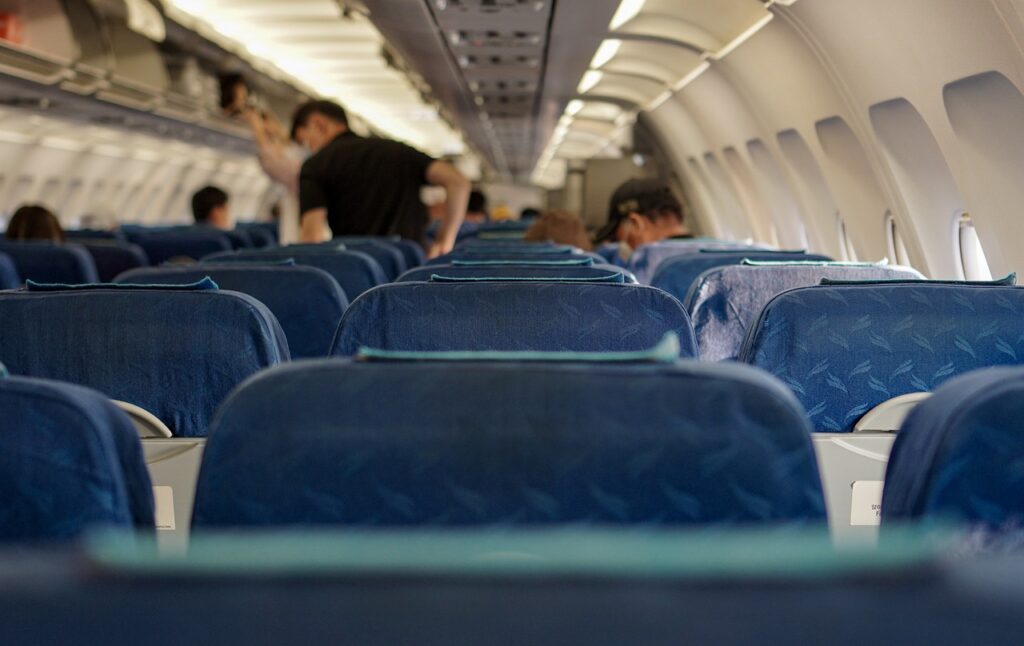
Business Class vs Economy Travel Comparison
Introduction to Air Travel Classes
Air travel has evolved significantly over the years, offering passengers multiple seating options based on comfort, budget, and purpose of travel. The business class vs economy travel comparison is one of the most common topics among travelers planning flights, especially long-haul journeys. While economy class remains the most affordable choice, business class promises luxury, comfort, and premium service.
Understanding the true differences between these two classes can help travelers make informed decisions, avoid unnecessary expenses, and enhance their overall flying experience. This guide provides a clear, honest, and practical breakdown designed for both frequent and occasional flyers.
What Is Economy Class Travel?
Economy class is the standard seating option offered by airlines worldwide. It is designed to accommodate the largest number of passengers while keeping fares affordable.
Economy Class Seating and Space
Economy class seats typically offer limited legroom and narrower seat width. On average:
- Seat pitch ranges from 28 to 32 inches
- Seat width is usually 17 to 18 inches
For short flights, this setup is manageable. However, on long-haul flights, limited space can feel restrictive, especially for taller passengers.
Economy Class Services and Amenities
Passengers in economy class receive:
- Basic meals or snacks (depending on flight duration)
- Standard in-flight entertainment
- One or two pieces of checked baggage (depending on airline policy)
While service quality is professional, it is generally shared among many passengers, which limits personal attention.
What Is Business Class Travel?
Business class is a premium travel option designed for comfort, productivity, and relaxation. It bridges the gap between economy and first class.
Business Class Seating and Comfort
Business class seats are significantly larger and more advanced:
- Seat pitch ranges from 55 to 78 inches
- Lie-flat or near-flat beds on long-haul flights
- Adjustable privacy partitions
This level of comfort allows passengers to sleep properly, work comfortably, or relax without feeling crowded.
Business Class In-Flight Services
Business class travelers enjoy:
- Priority boarding and check-in
- Personalized cabin service
- High-quality bedding and amenity kits
- Premium entertainment screens and noise-canceling headphones
These features make long flights far more enjoyable and less exhausting.
Price Differences Between Business Class and Economy
One of the biggest factors in the business class vs economy travel comparison is cost. Economy tickets are often three to five times cheaper than business class fares.
For example:
- Economy class international ticket: $600–$1,200
- Business class international ticket: $2,000–$5,000+
While business class is expensive, frequent flyers often use loyalty points or airline miles to reduce costs.
Comfort and Space Comparison
Legroom and Seat Width
Comfort is where business class clearly excels. Economy passengers may struggle with limited movement, while business class travelers enjoy:
- Extra legroom
- Wider seats
- More personal storage
This difference is especially noticeable on flights longer than six hours.
Sleeping Experience on Long Flights
Sleeping upright in economy class can be challenging. Business class, however, offers:
- Fully flat beds
- Pillows and duvets
- Quiet cabin environments
This makes business class ideal for travelers who need to arrive well-rested.
Food and Beverage Comparison
Food quality varies significantly between the two classes.
Economy Class:
- Standard meals
- Limited drink options
- Basic presentation
Business Class:
- Multi-course meals
- Restaurant-style presentation
- Premium wines and beverages
Some airlines even allow business class passengers to pre-select meals before departure.
Airport Experience and Lounge Access
Another key difference in the business class vs economy travel comparison is the airport experience.
Economy passengers usually wait in common areas, while business class travelers enjoy:
- Exclusive airport lounges
- Complimentary food and drinks
- Quiet workspaces and showers
This benefit alone adds significant value, especially during long layovers.
Baggage Allowance Differences
Business class tickets often include:
- Higher baggage weight limits
- Additional checked bags
- Priority baggage handling
Economy travelers may need to pay extra for additional luggage, increasing total travel costs.
Entertainment and Connectivity
Both classes typically offer in-flight entertainment, but quality differs.
Economy Class:
- Smaller screens
- Shared charging ports
Business Class:
- Larger HD screens
- Power outlets at every seat
- Faster Wi-Fi options
This makes business class more suitable for work or long entertainment sessions.
Service Quality and Staff Attention
Cabin crew service in business class is more personalized due to fewer passengers. Requests are handled quickly, and staff often address passengers by name.
Economy class service remains polite and professional but is understandably less personal.
Best Travel Class for Different Travelers
Business Travelers
Business class is ideal for professionals who:
- Need rest before meetings
- Value privacy and productivity
- Travel frequently
The higher cost is often justified by efficiency and comfort.
Leisure and Budget Travelers
Economy class suits:
- Families
- Students
- Budget-conscious travelers
With careful planning and seat selection, economy travel can still be comfortable.
Environmental and Practical Considerations
Business class seats take up more space, which means a higher carbon footprint per passenger. Travelers concerned about sustainability may prefer economy class or consider carbon offset programs offered by airlines.
Frequently Asked Questions
Is business class worth the money?
Yes, especially for long flights or business travel where comfort and rest are priorities.
Can economy class be upgraded to business class?
Many airlines offer paid or mileage-based upgrades, depending on availability.
Is food better in business class?
Yes, business class meals are generally higher quality and more customizable.
Do all business class seats lie flat?
Most long-haul flights offer lie-flat seats, but short-haul flights may not.
Is economy class safe and comfortable?
Absolutely. Economy class meets all safety standards and is suitable for most travelers.
Which class is better for first-time flyers?
Economy class is usually recommended for first-time flyers due to affordability.
Conclusion
The business class vs economy travel comparison ultimately comes down to personal priorities. Economy class offers affordability and accessibility, making air travel possible for millions. Business class, on the other hand, delivers superior comfort, service, and convenience—especially valuable on long-haul routes.
By understanding the differences in cost, comfort, services, and travel experience, travelers can choose the class that best fits their needs, budget, and travel goals.